

The London office of the newly merged McDermott Will & Schulte will be co-led by partners from both legacy firms, it has emerged, as the $2.8bn tie-up goes live.
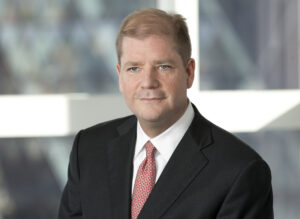
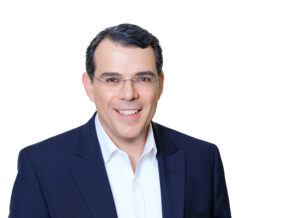
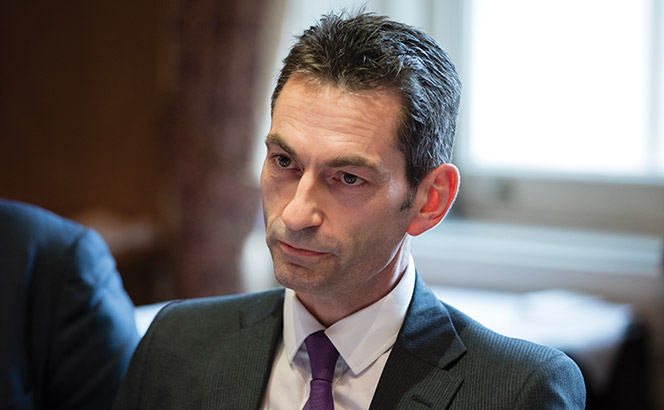
McDermott London managing partner Aymen Mahmoud, who has headed up the firm’s City base for just over a year, will now share leadership of the office with Schulte Roth & Zabel London co-head Josh Dambacher.
The duo will work alongside London senior partner and private equity veteran Graham White, who joined McDermott last March, having previously held senior roles at Fried Frank and Kirkland & Ellis.
While McDermott has around 90 lawyers in London, just over 30 of which are partners, Schulte’s City office is home to just 24 lawyers, including ten partners, according to the firm’s website.
Funds partner Dambacher, who has been at the US firm since 2006, has in recent years co-led the office alongside Christopher Hilditch, who co-founded the base in 2002. Both are ranked in Legal 500’s Hall of Fame for hedge funds.
Leveraged finance partner Mahmoud took the reins of McDermott’s London office last June, succeeding Hamid Yunis, who has since left for Pillsbury.
His time at the helm has seen the firm make a slew of hires, including CMS international private equity co-head Jason Zemmel and Eversheds Sutherland data centre specialist Sebastien Bonneau, both of who joined last autumn. These hires came on top of the additions of Legal 500 acquisition finance Hall of Famer Chris Kandel, who joined from Morrison Foerster in May just before Mahmoud stepped into his role as London head, and Legal 500 mid-market private equity transactions leading partner Fatema Orjela, who joined from Sidley in April 2024.
McDermott and Schulte announced the plan to merge in May, with the combination receiving ‘overwhelming’ partner support in a June vote. The new firm will go by the name McDermott Will & Schulte, with total revenues of more than $2.8bn.
McDermott recently filed its UK LLP accounts for 2024, showing a 33% increase in turnover from £78.7m to £104.7m, breaking the £100m mark for the first time. The results also showed an increase of almost 41% to average member remuneration, from £1.23m to £1.73m.